Dearest virtual passer-by,
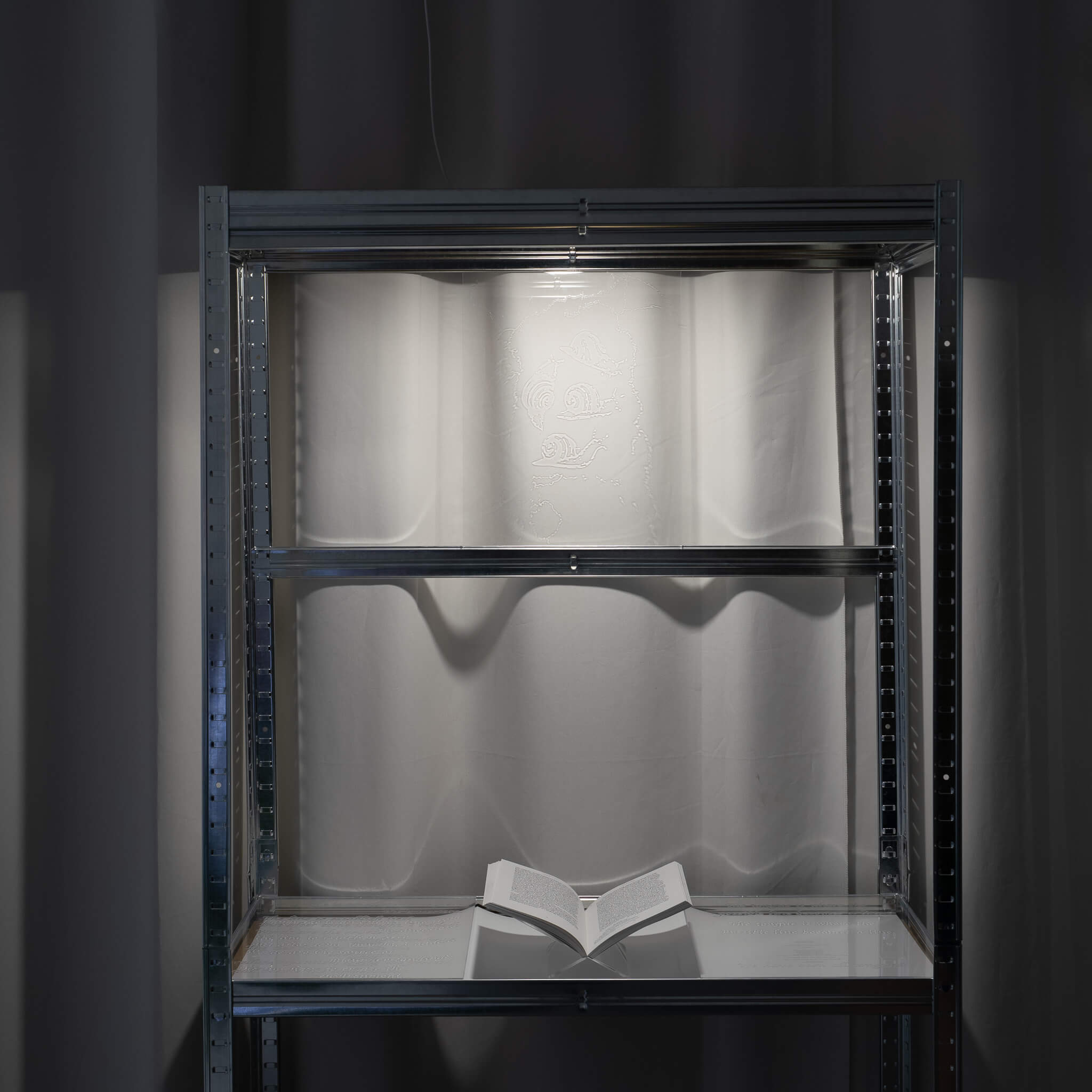
Tongued, 2024
A book and an installation are both imbued with the slimy traces of snails, symbolizing the slow, deliberate paths of thought formed in a language. The snail trails, delicate yet persistent, serve as a metaphor for the way our tongues—through language, speech, and taste—shape our perceptions and understanding of the world. Just as a snail leaves a tangible mark on its environment, our tongues leave an indelible imprint on how we communicate, interpret, and interact with our surroundings. The work explores this relationship, inviting viewers to consider the subtle yet powerful ways in which language and the physical act of speaking influence our reality. The book is the thesis that was written in the years of graduating.


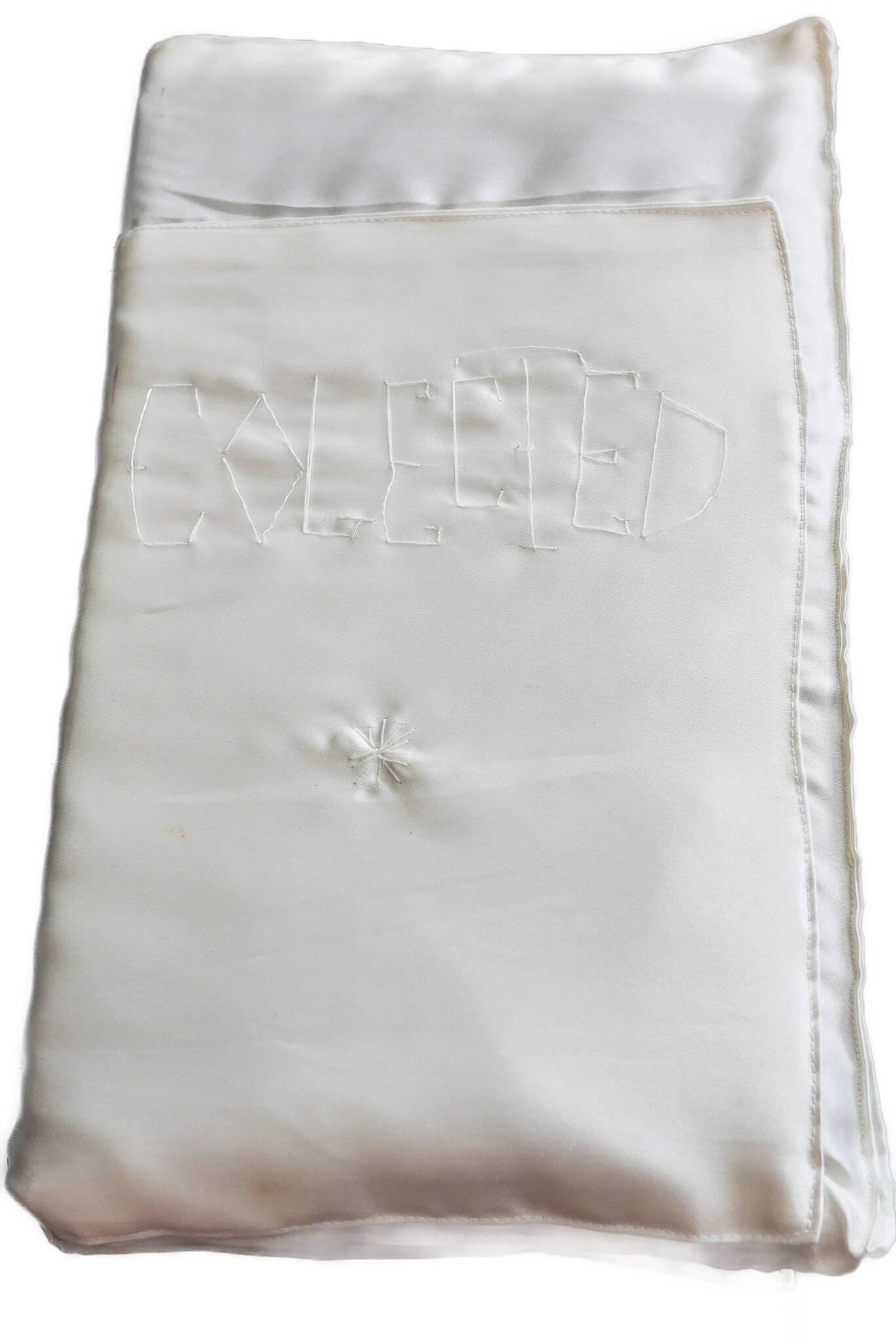
Collected, 2021
Collected” is a project that explores the nature of an archive and how best to showcase it. The aim is to determine how the materials you are working with can benefit from thoughtful categorization, ensuring that the method of organization enhances their meaning and accessibility.

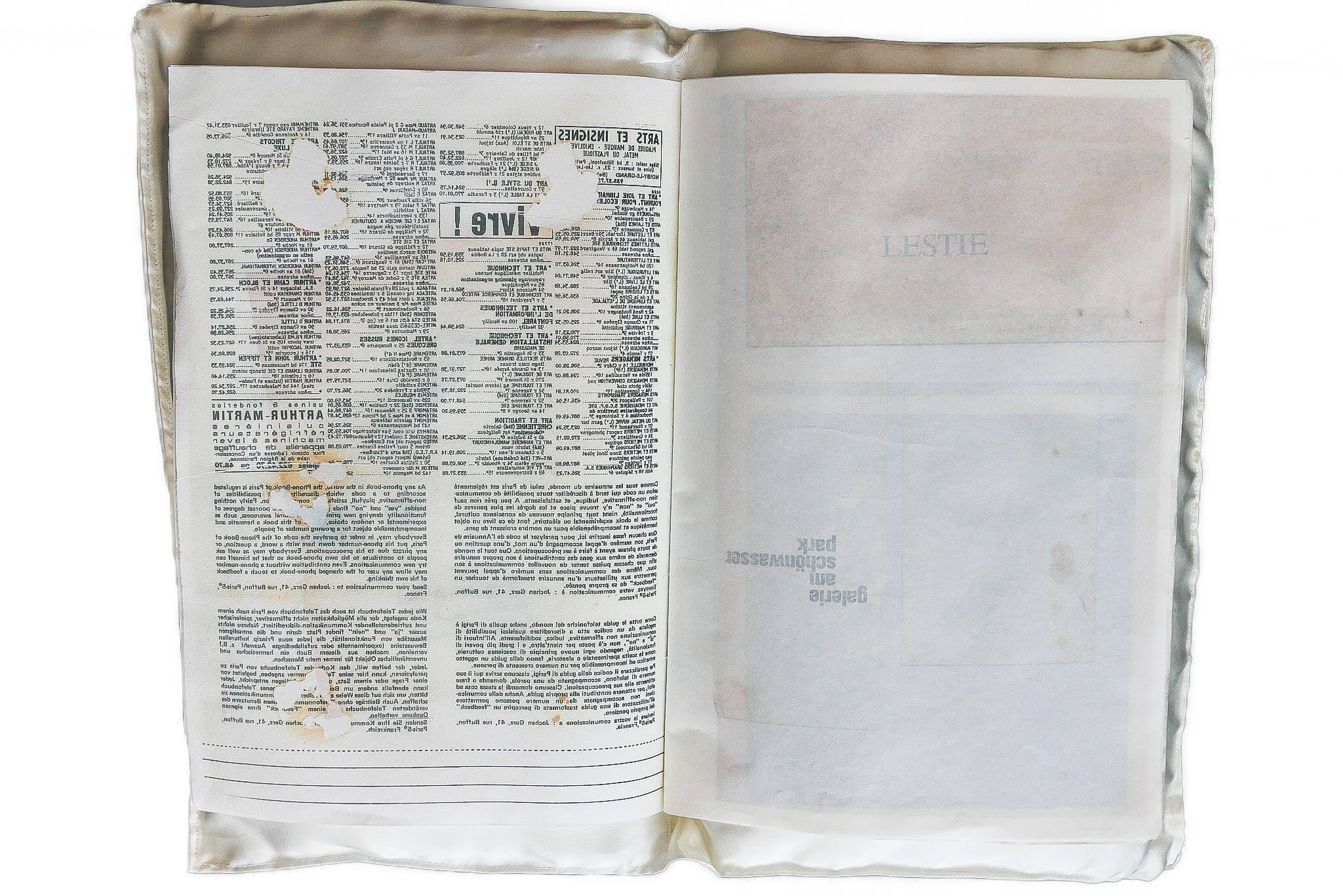
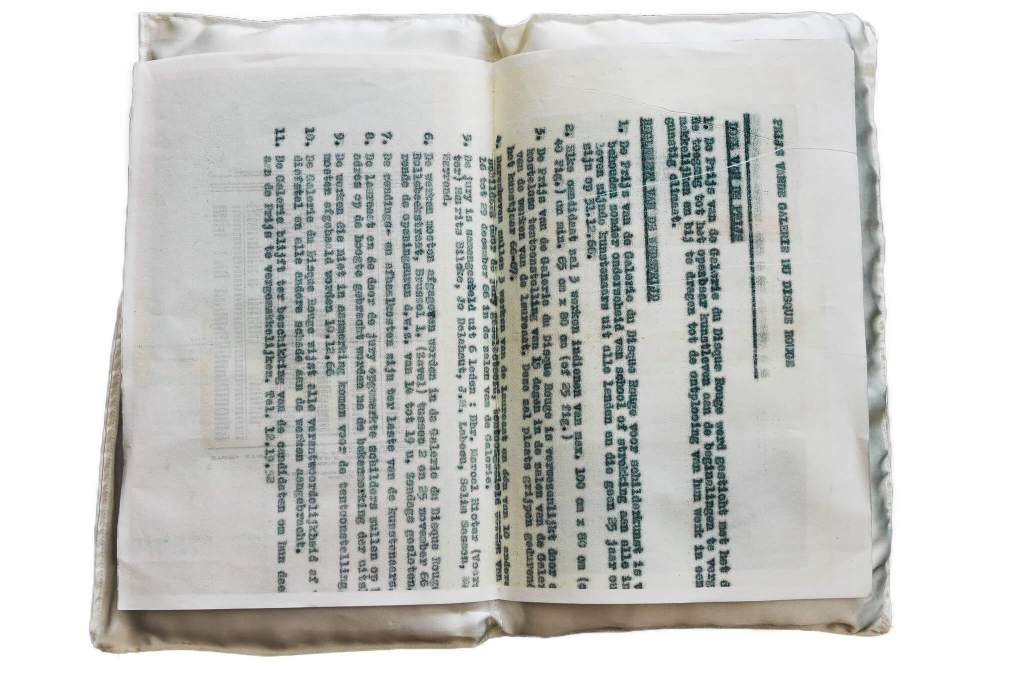
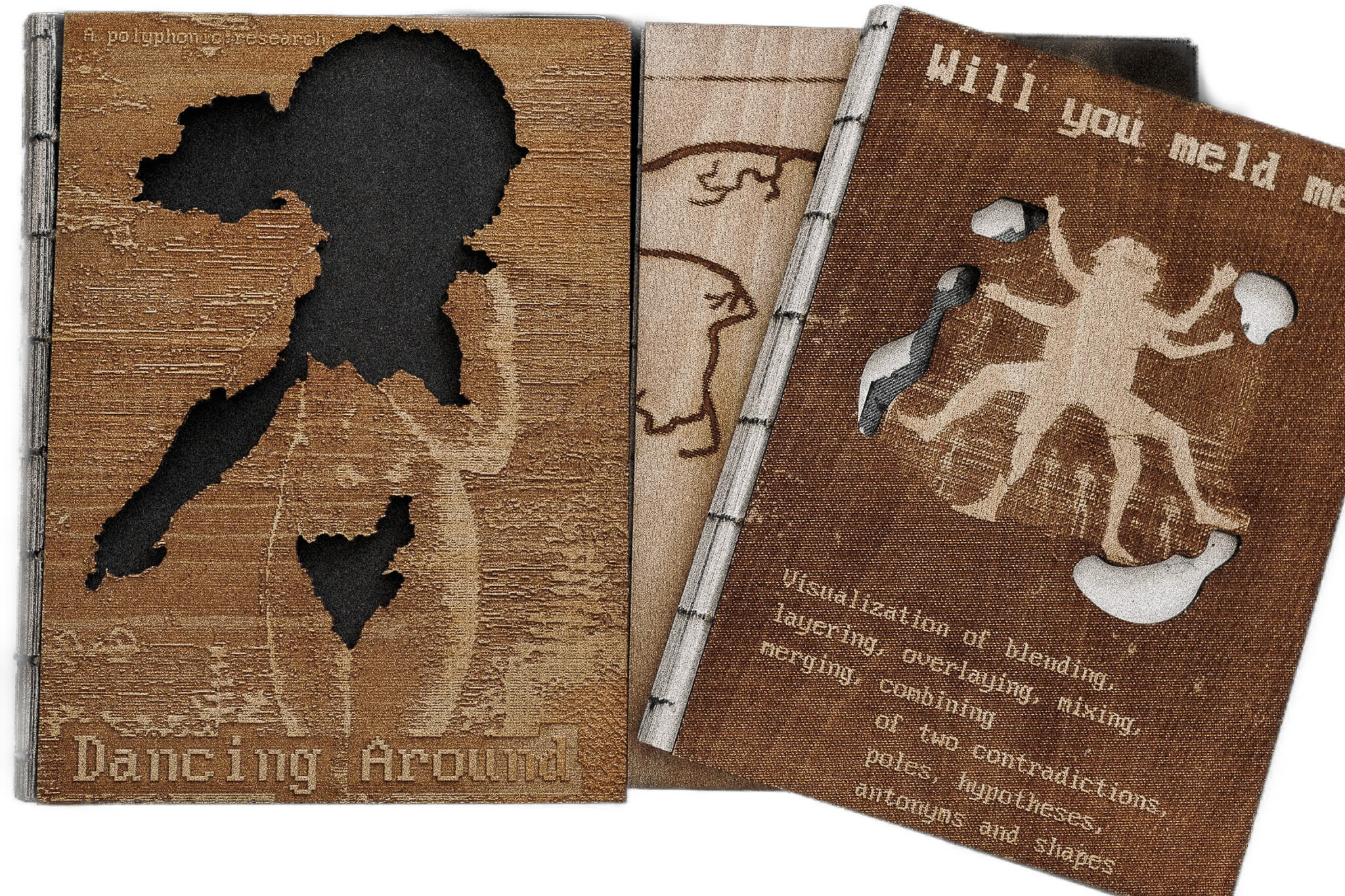
Antipodes, 2022
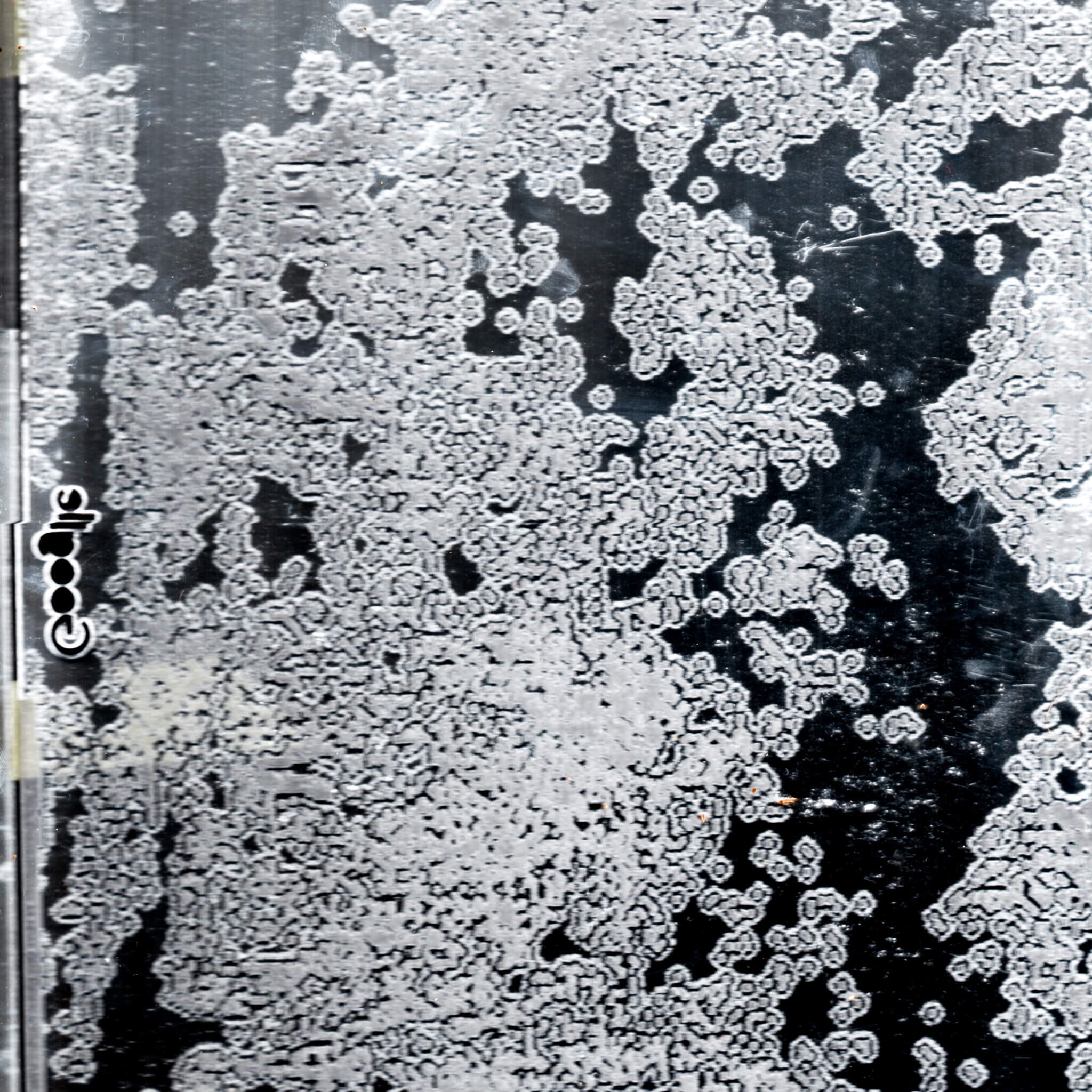
Three books—Dancing Around, Will You Meld Me?, and Will You Marry Me?—explore the concepts of togetherness and cohabitation. They question whether harmony can exist between two alien elements. Through processes of overlaying, merging, hypothesis, antonyms, shapes, and blending, these explorations culminate in mirrored plates that display geographical antipodes in a single installation.


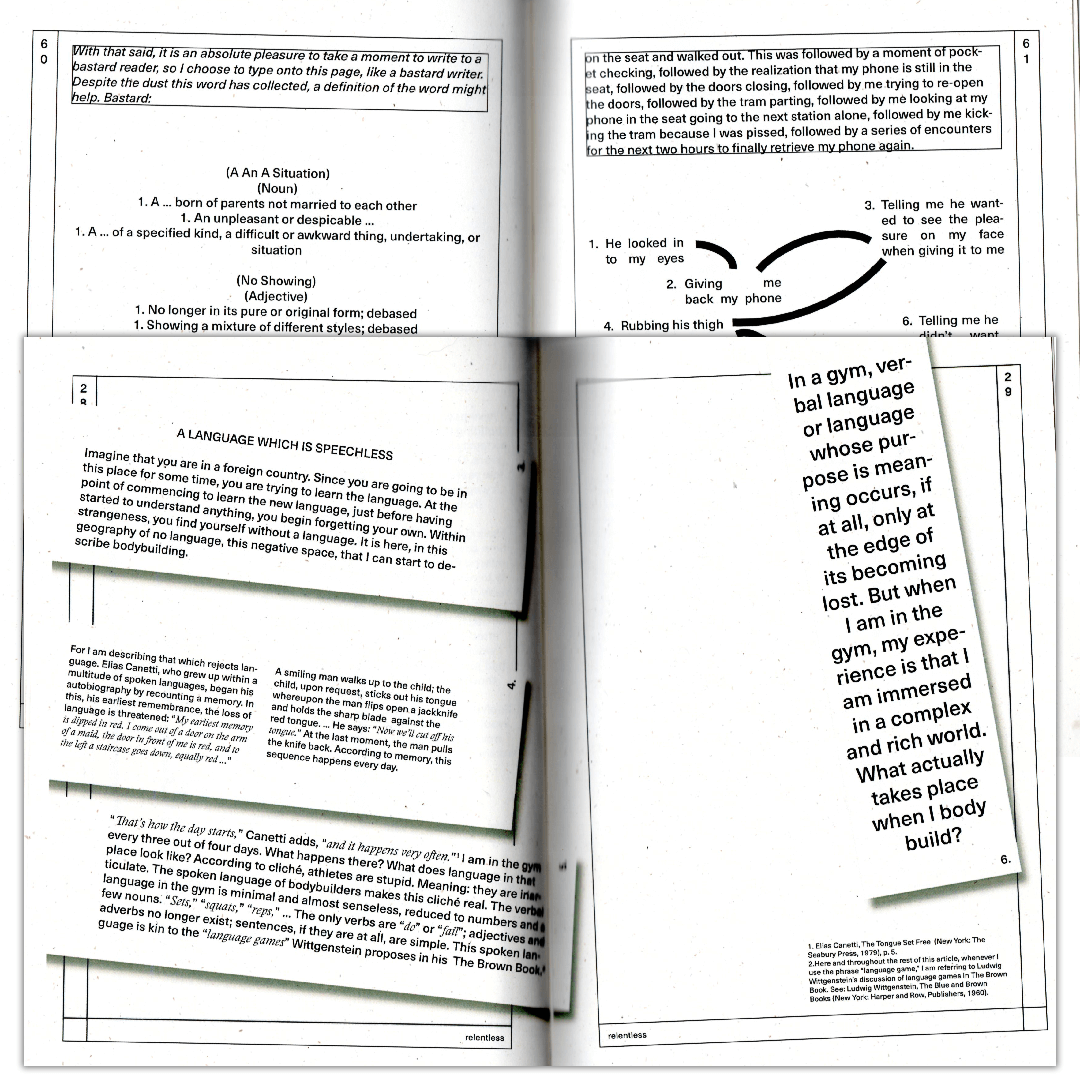
Relentless, 2020
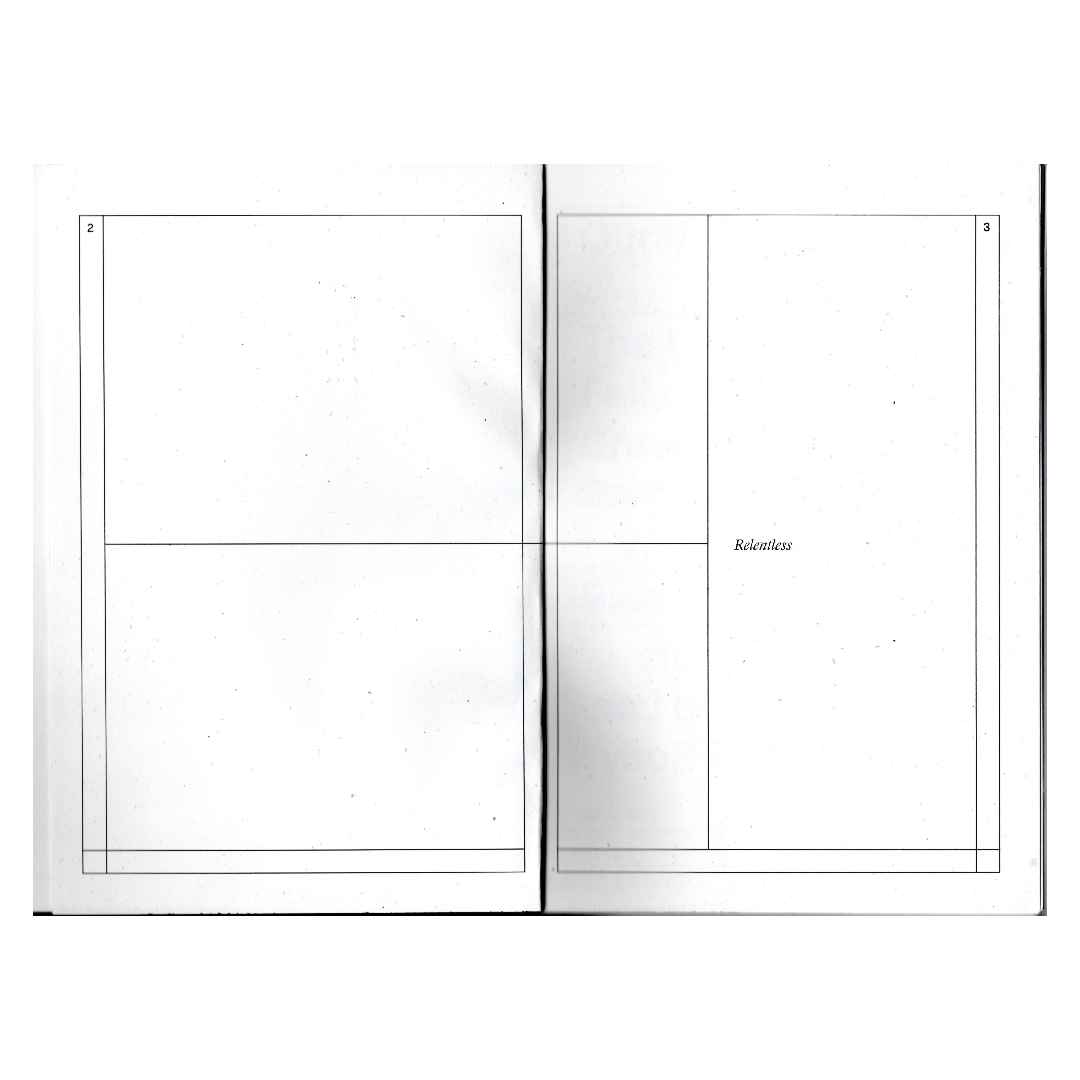
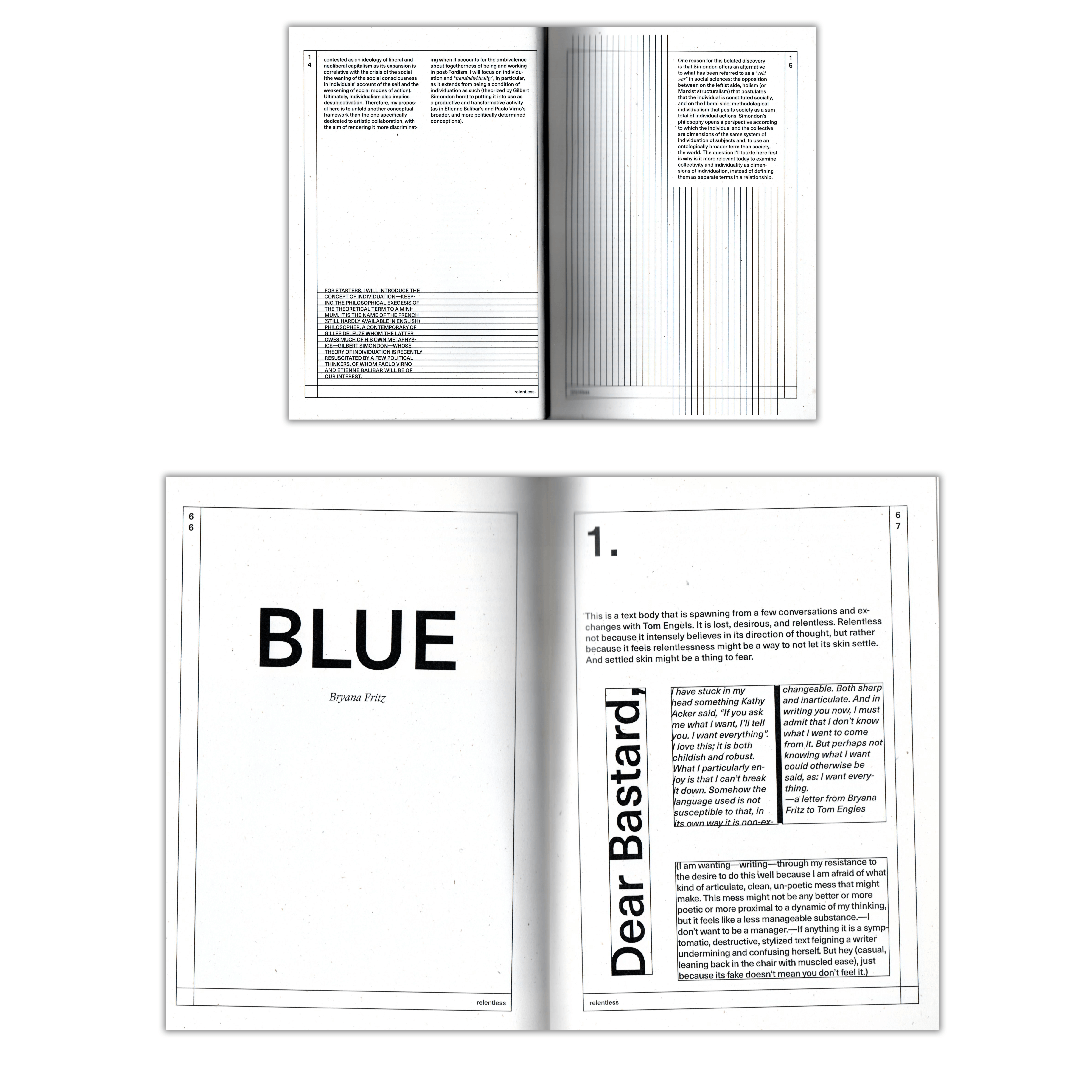
An assignment given by Ines Cox was based on a preexisting book she created. This book challenges five different texts that, though seemingly unrelated at first glance, coexist within the same framework.

Forgery, 2023
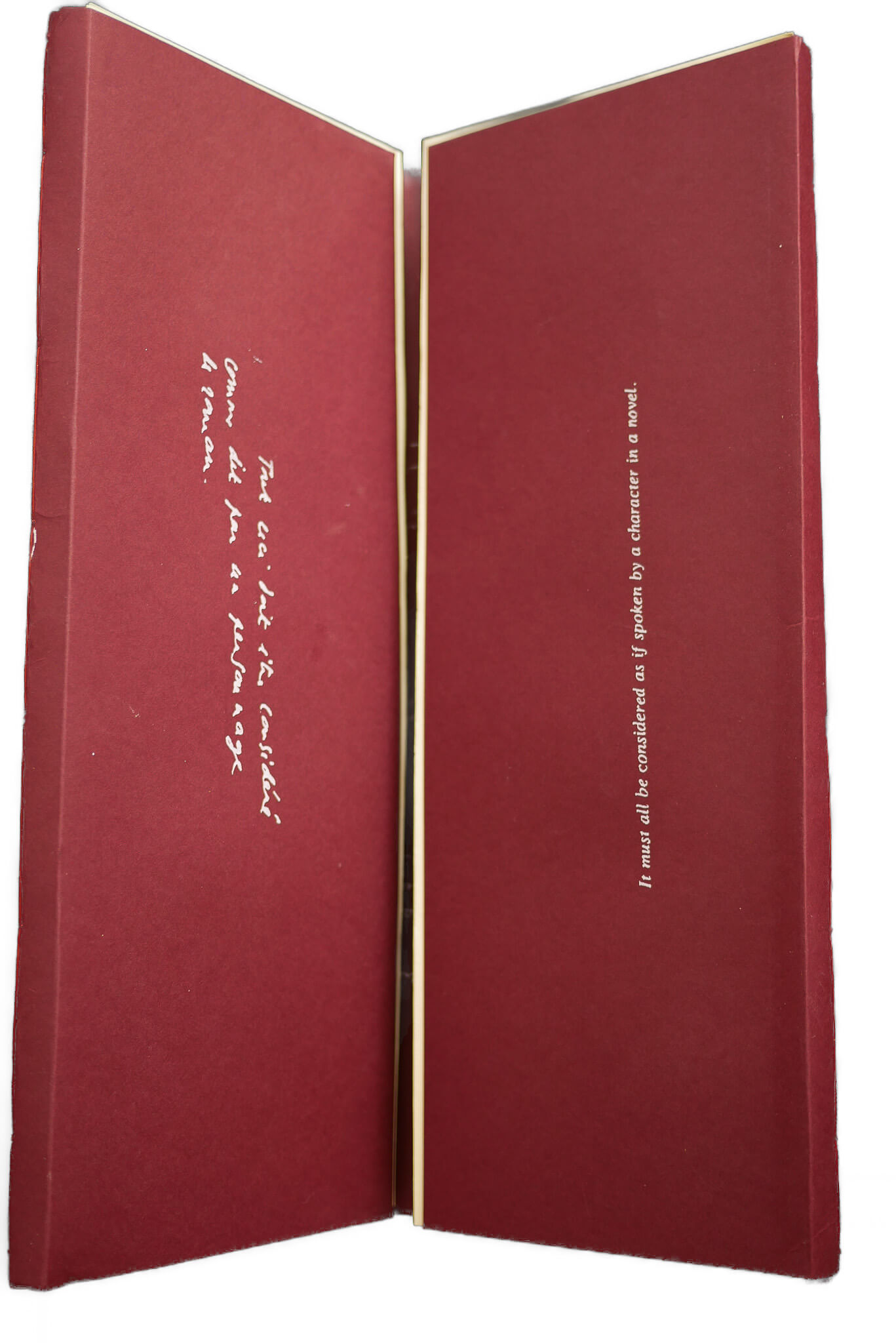
Two books in one, intended as copies of each other, yet marked by subtle differences. This project explores the concept of original and copy through the lens of unintended forgery. Here, a copy is perceived as a unique original, while the original is understood as the result of multiple acts of copying.

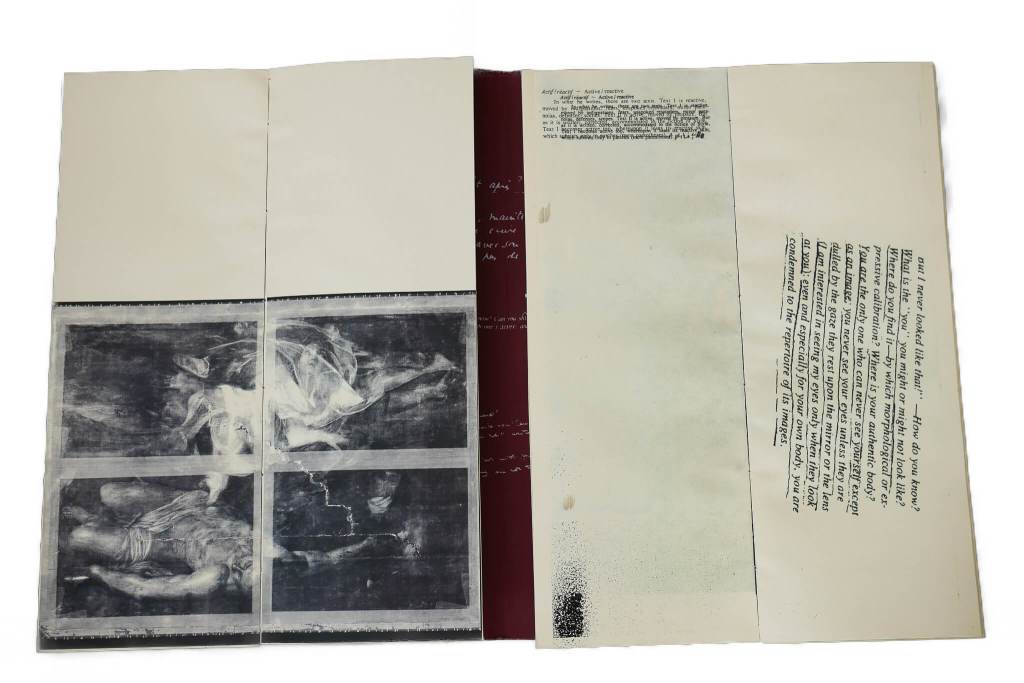
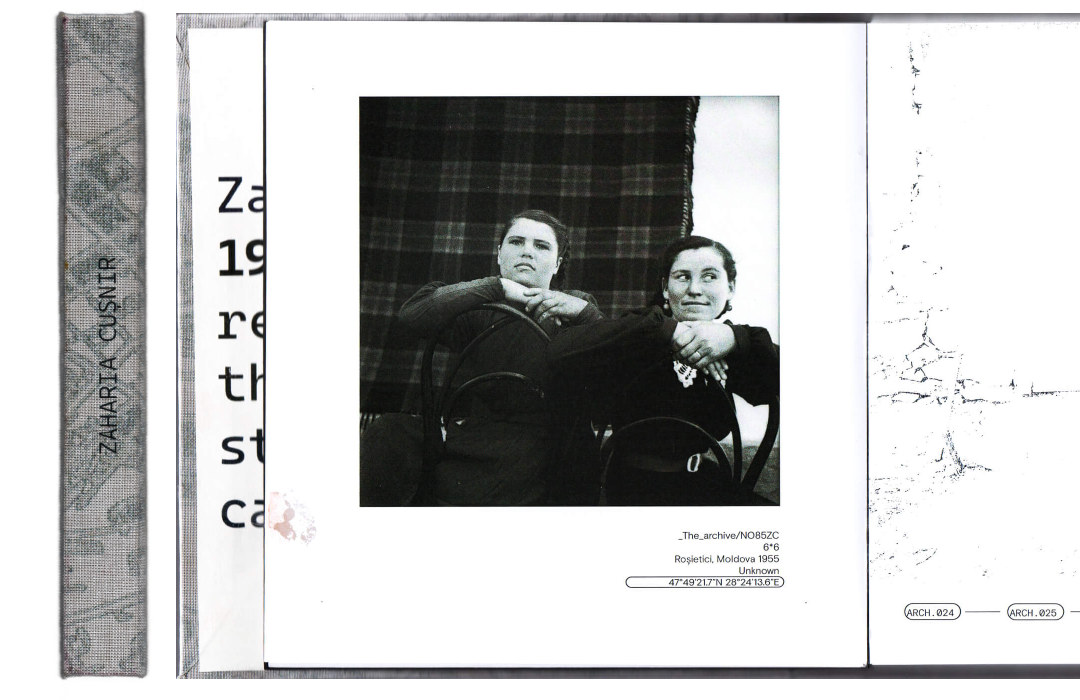
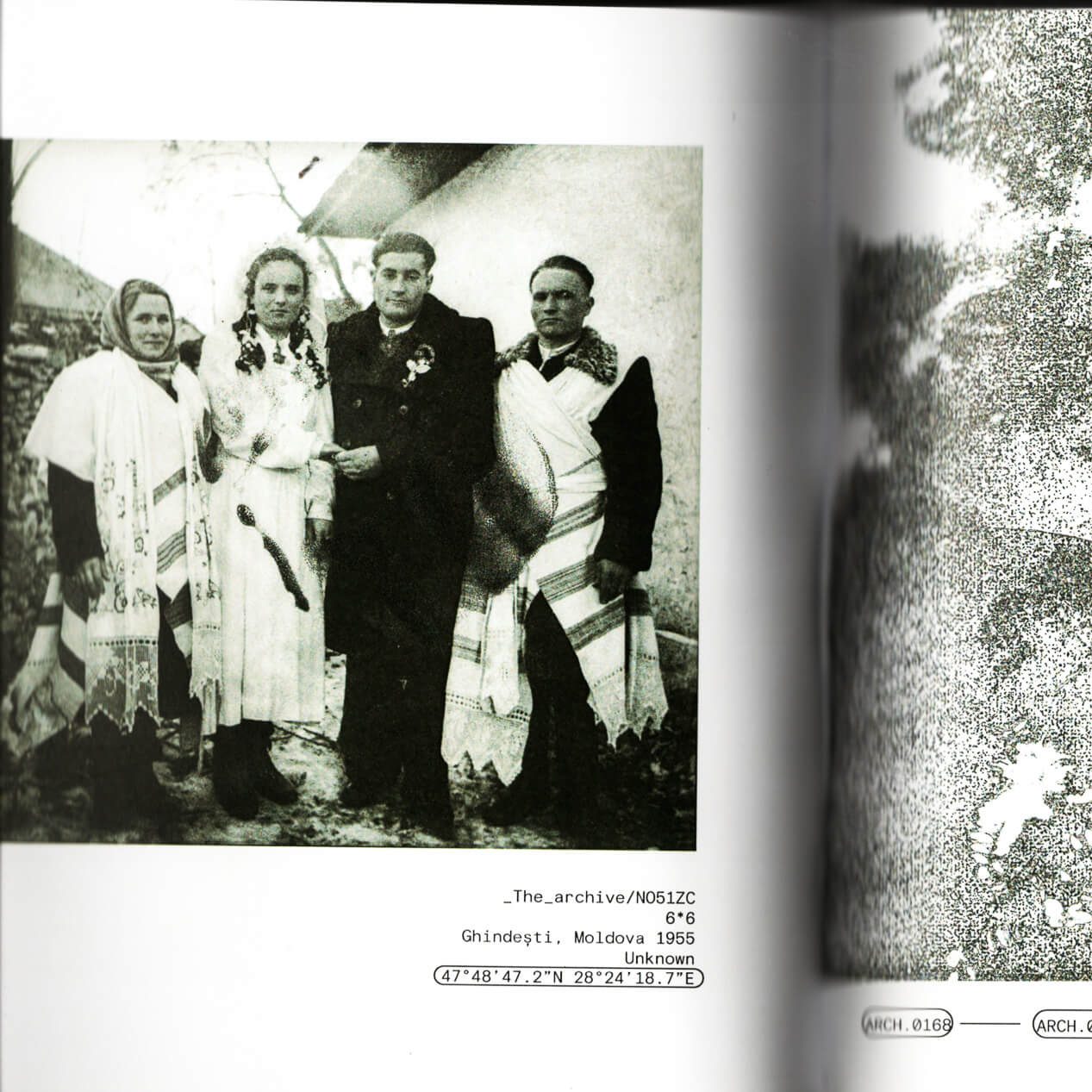
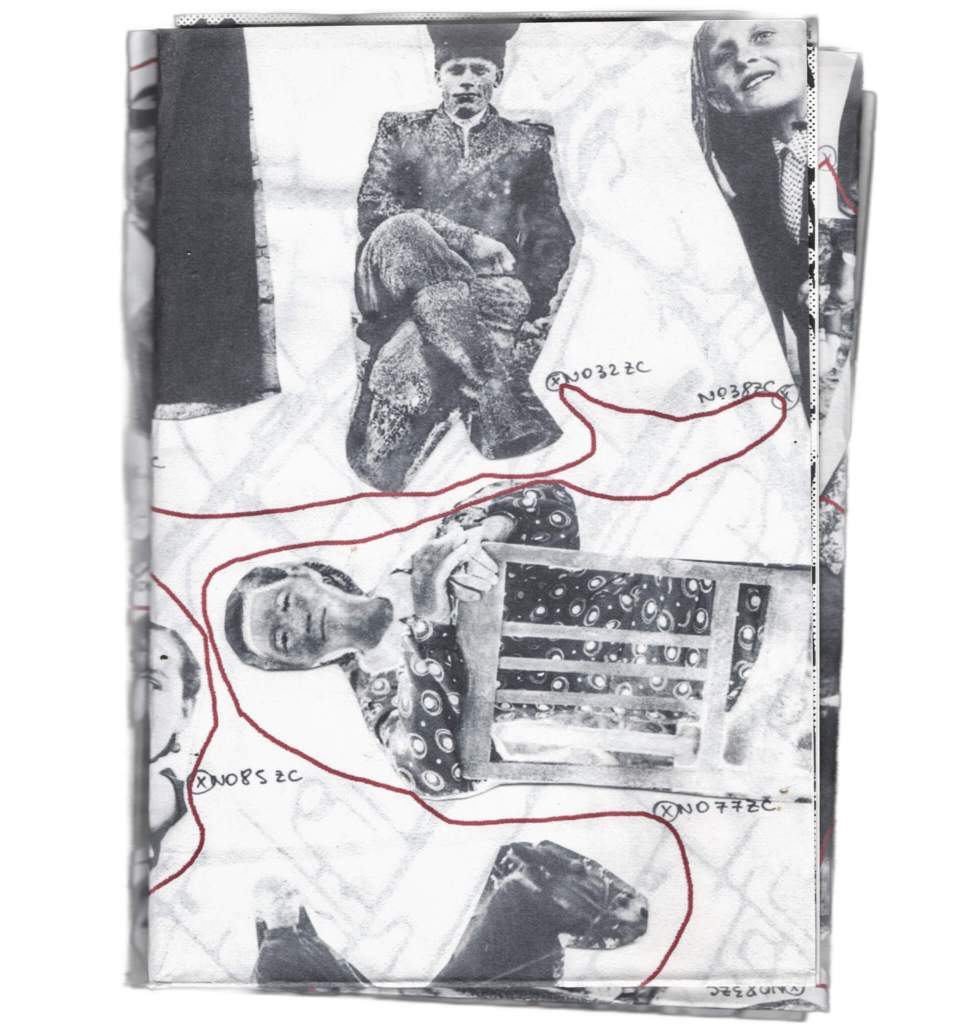
Zaharia Cuşnir, 2023
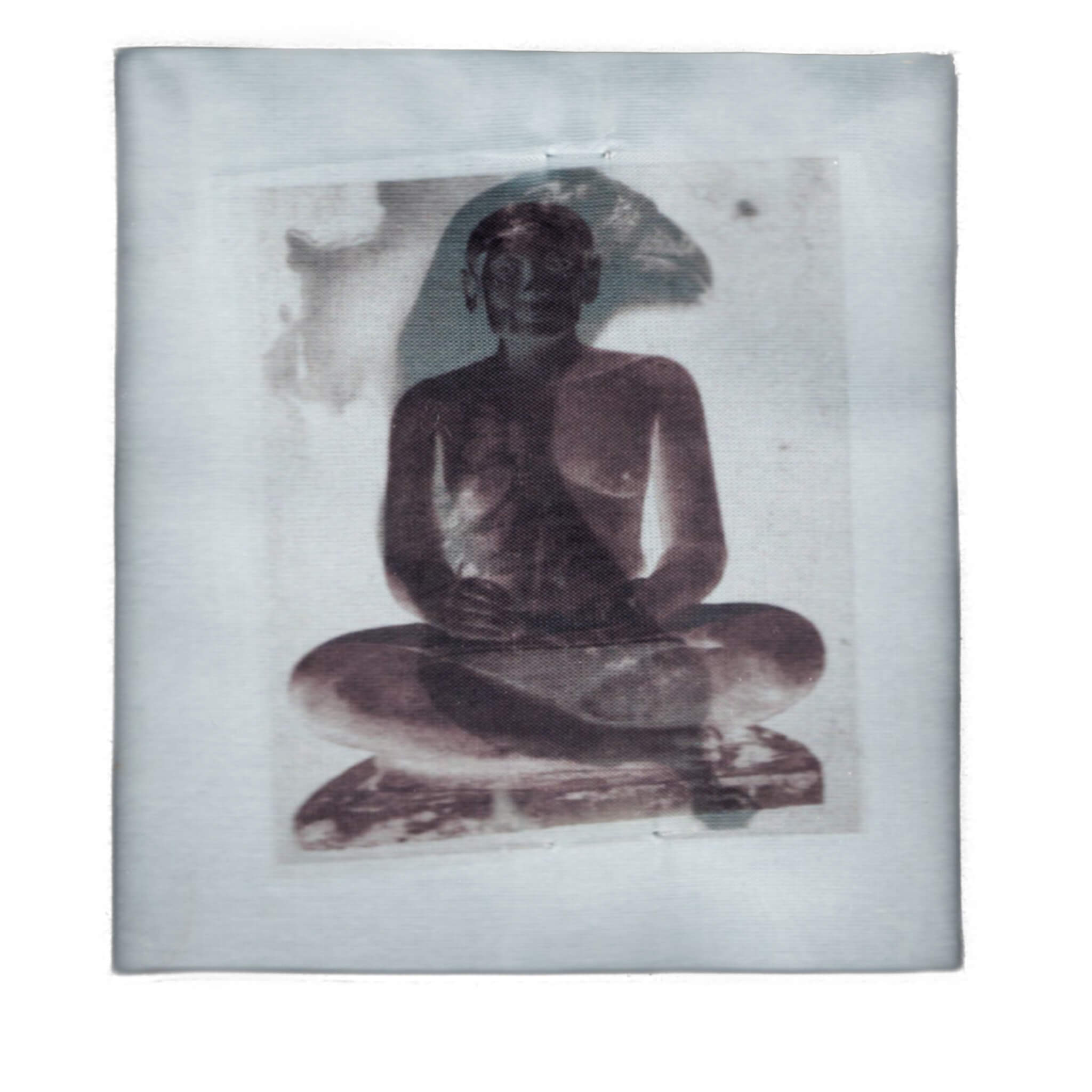
Zaharia was a Moldovan photographer who lived and died in anonymity, only to be discovered later by Victor Galușca, a student at the Film Faculty in Chișinău. Galușca stumbled upon Zaharia’s work when negatives began falling from the ceiling of an abandoned house. Upon developing them, nearly 4,000 photographs emerged, revealing the life and history captured by this unknown village photographer. This book focuses on one of the most fascinating aspects of these images: the trace of time.

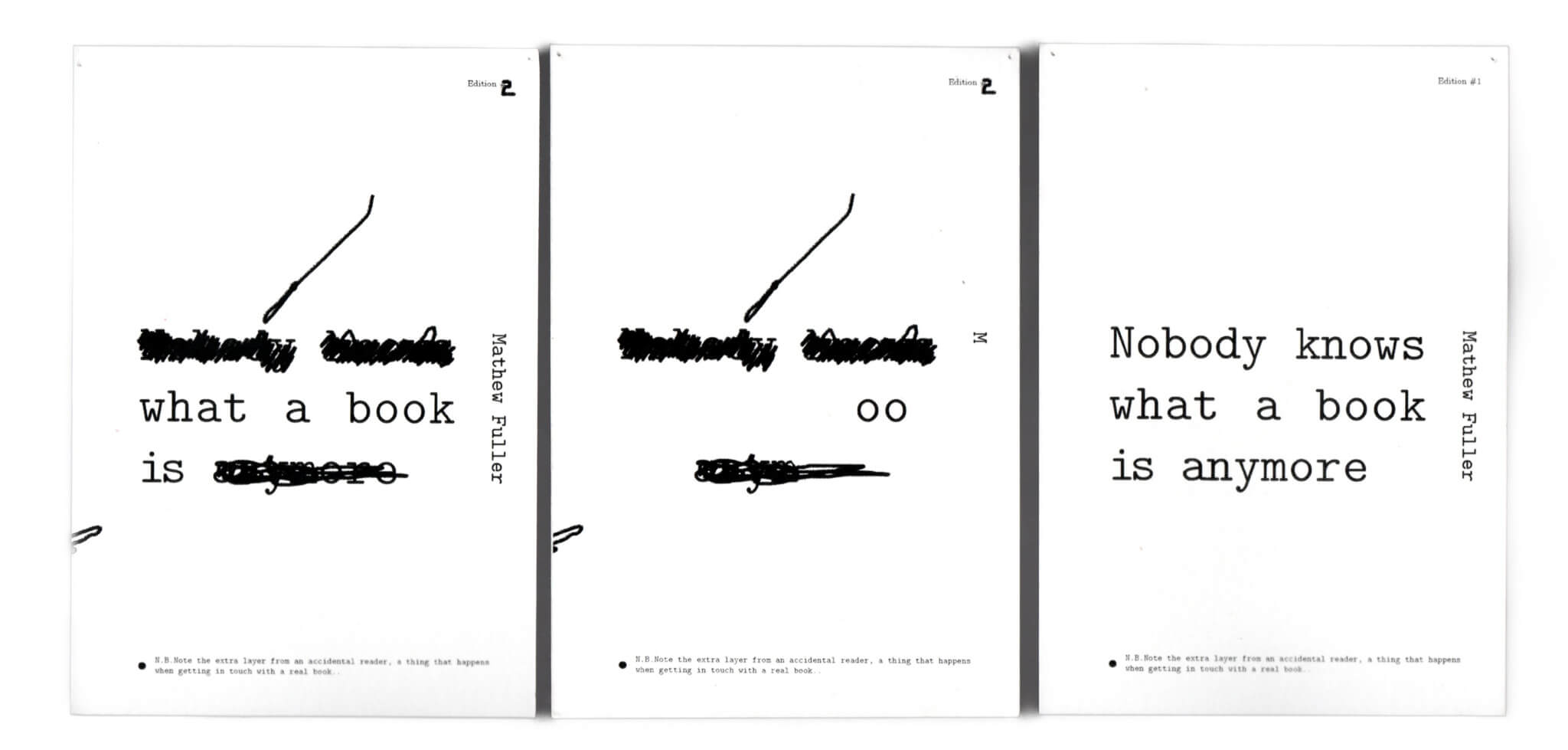
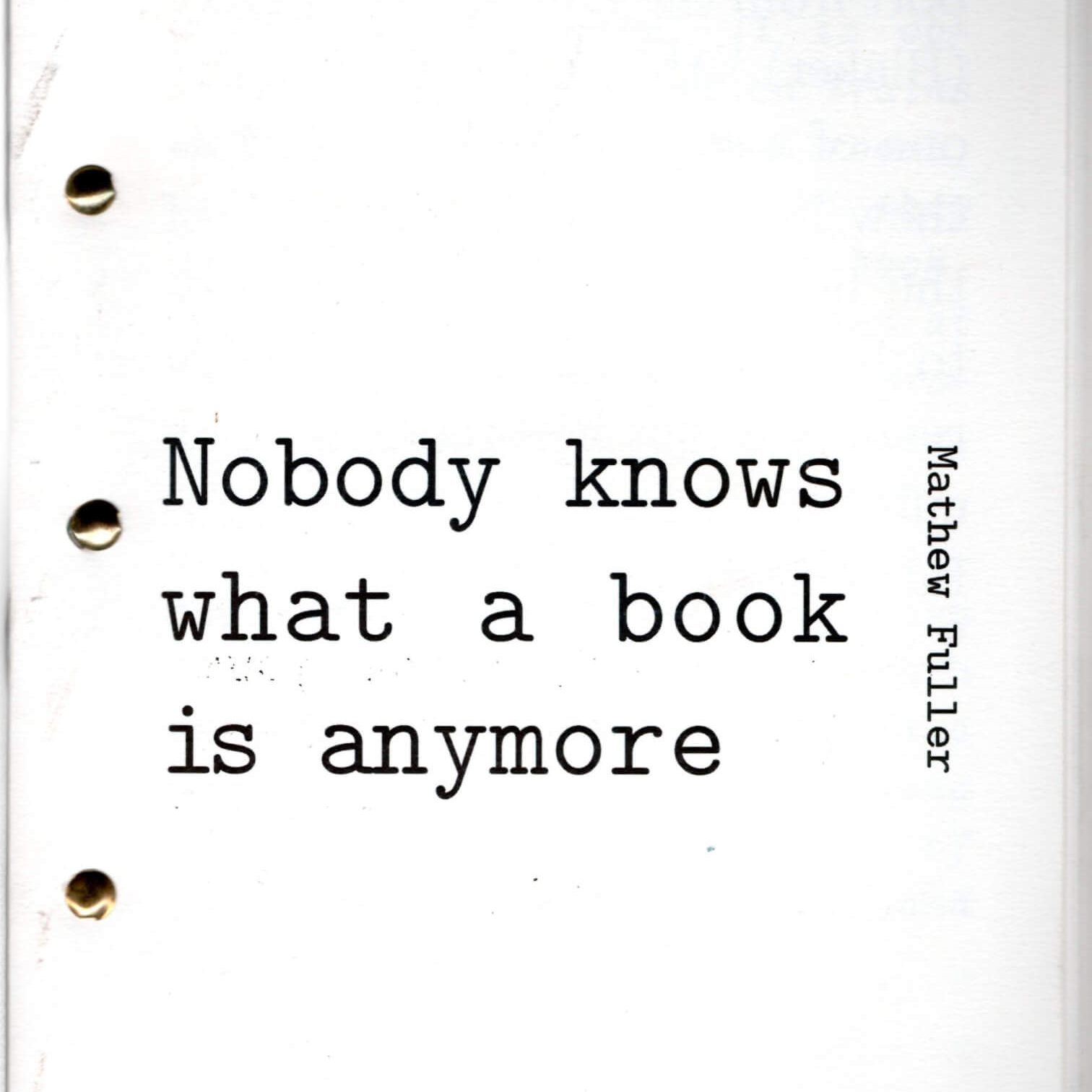
Nobody knows what a book is anymore; Nobody knows what a layer is anymore; Nobody knows what a reader is anymore; 2020
Inspired by the traces left by readers—such as bookmarks, notes, reminders, and inserts—that subtly alter the book’s content over time.


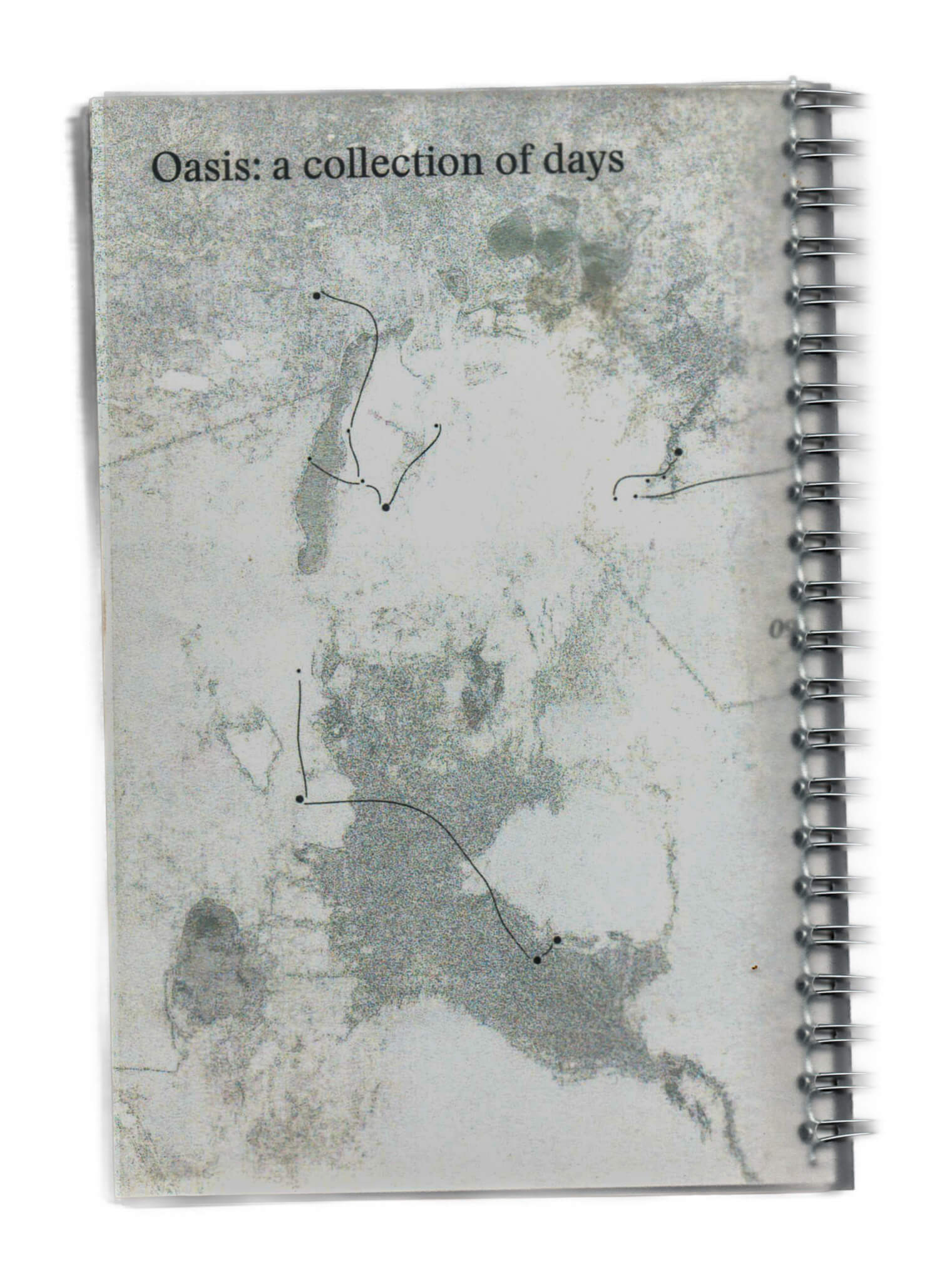
Oazis: a collection of days; 2022
Every great person I admire and aspire to has, at some point, created an oasis around themselves. This book serves as a testament to that idea, with each day adding a new name to the cluster.


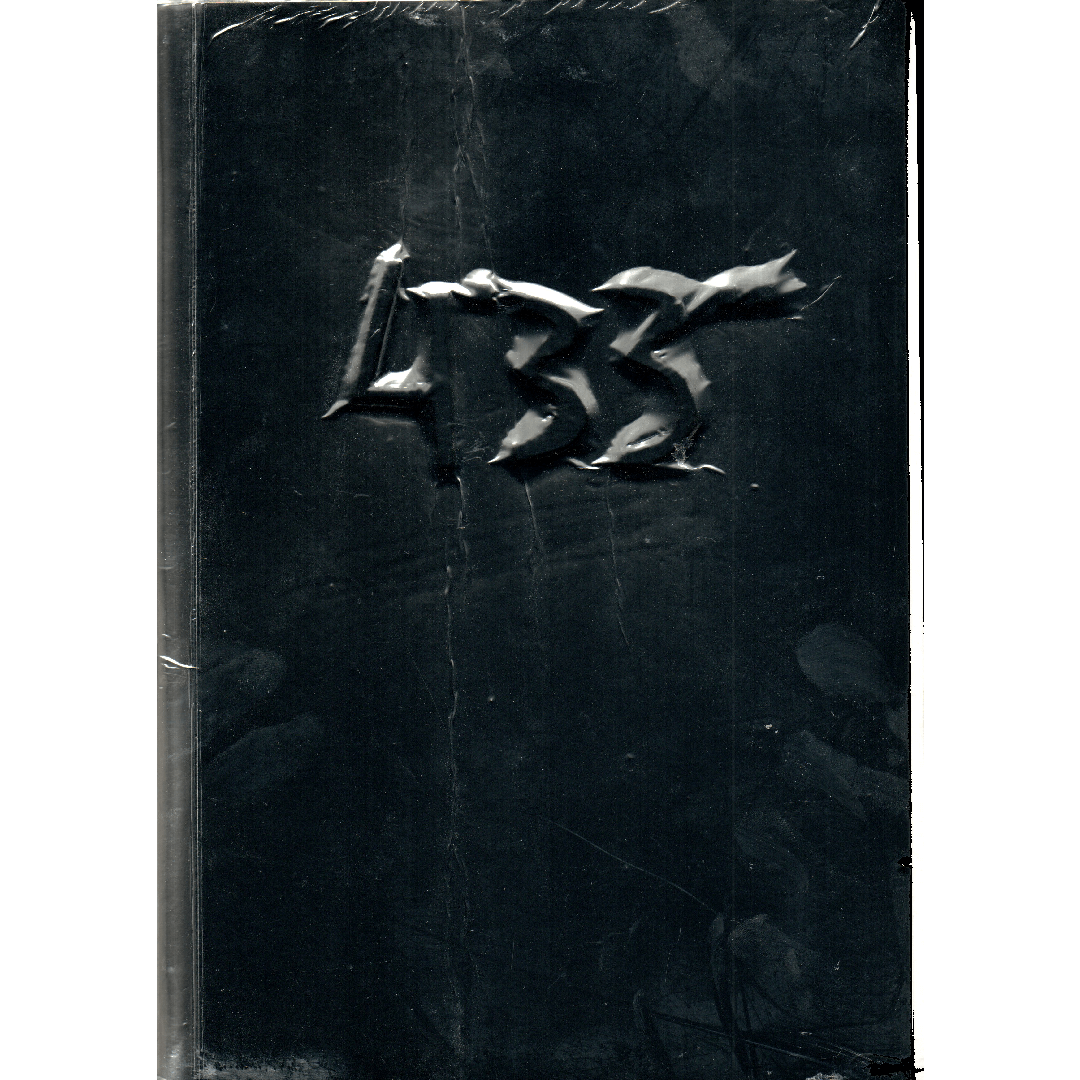
4′ 33” (pronounced ”four thirty-three”), 2021
Initially inspired by John Cage’s composition 4’33”, which questions the pursuit of absolute silence in a musical piece, this concept applied to design opens up a myriad of possibilities. It frees the content from its formal role, prompting the question: What voice does each element in a book contain or refer to?
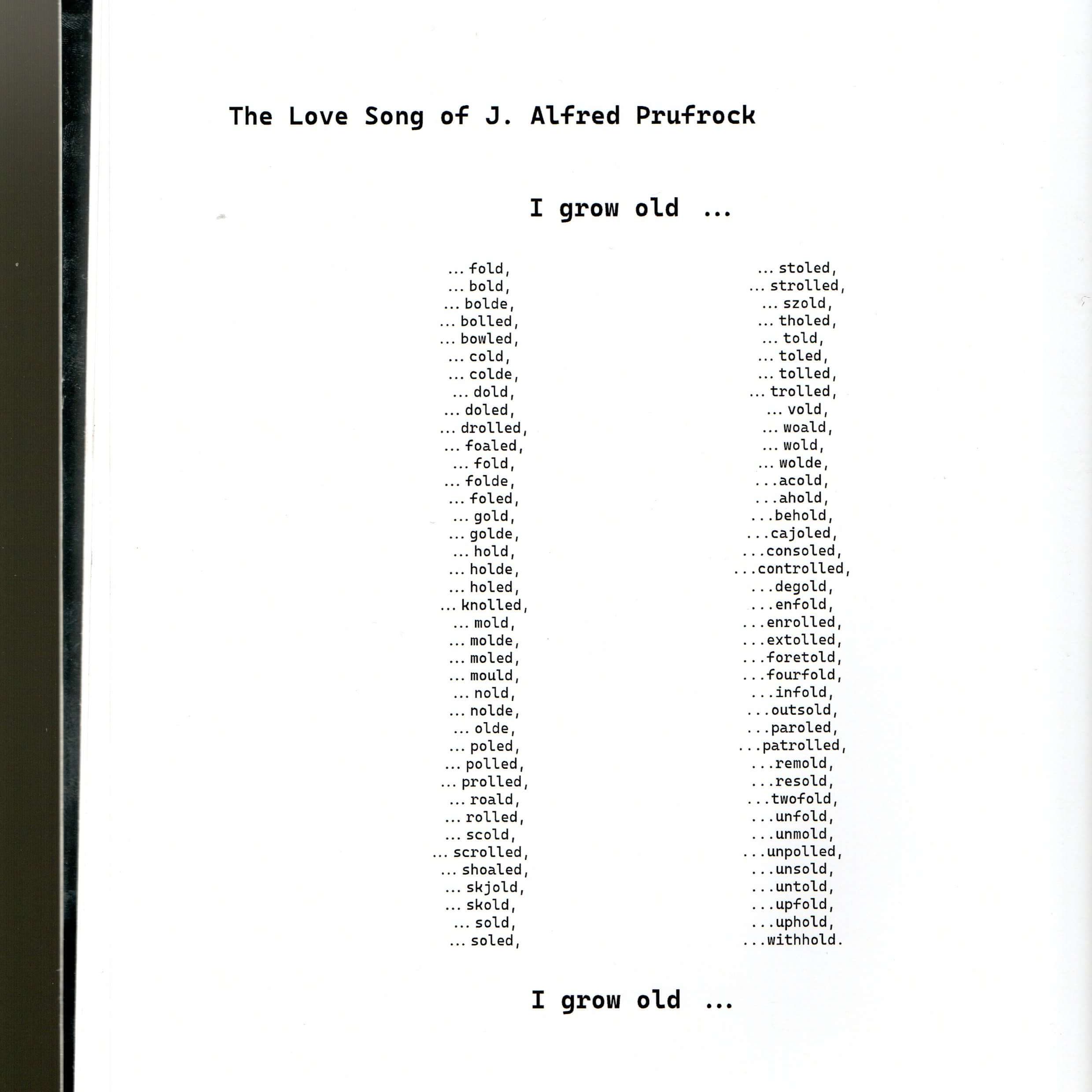


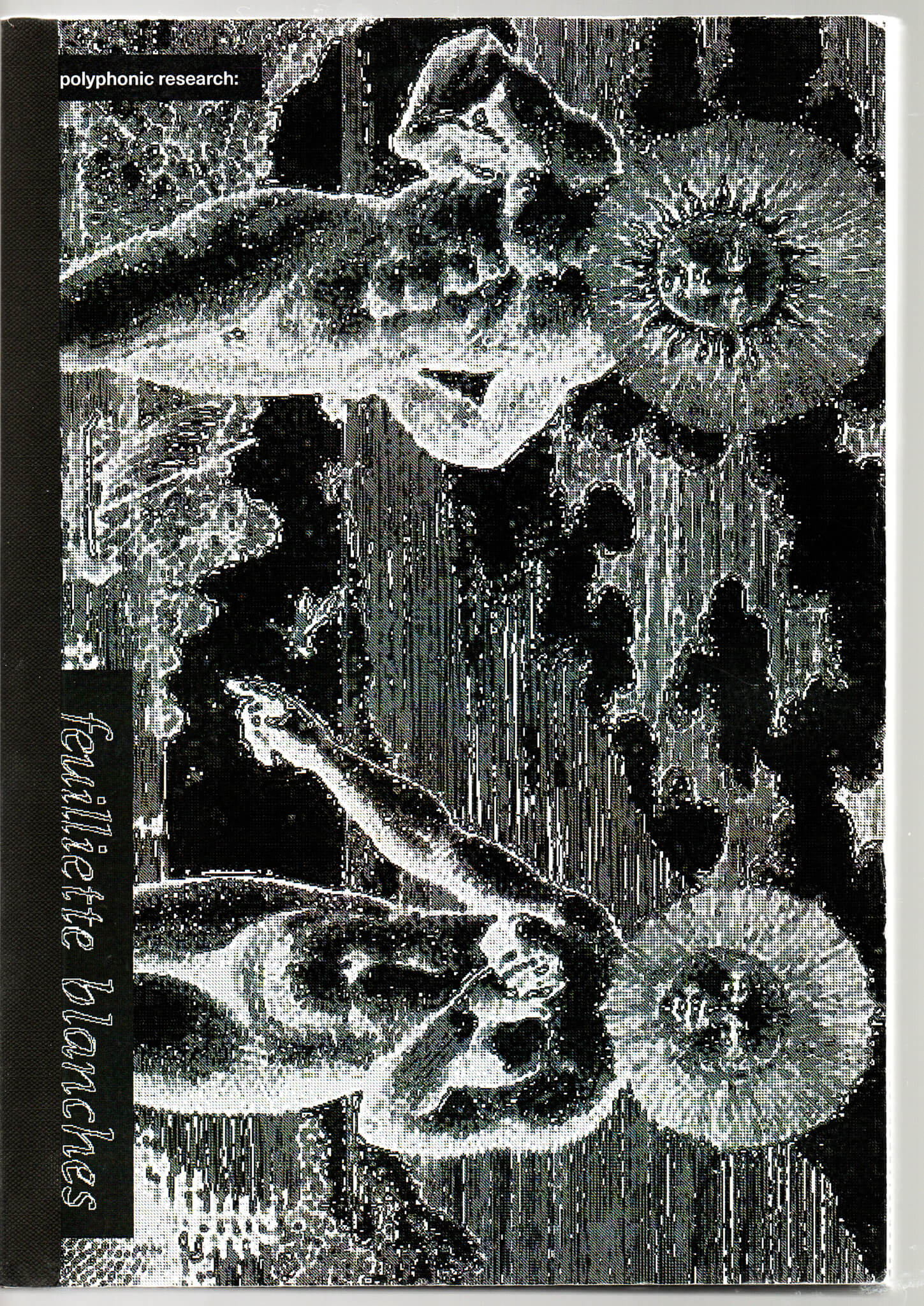
Feuilliette blanches, 2022
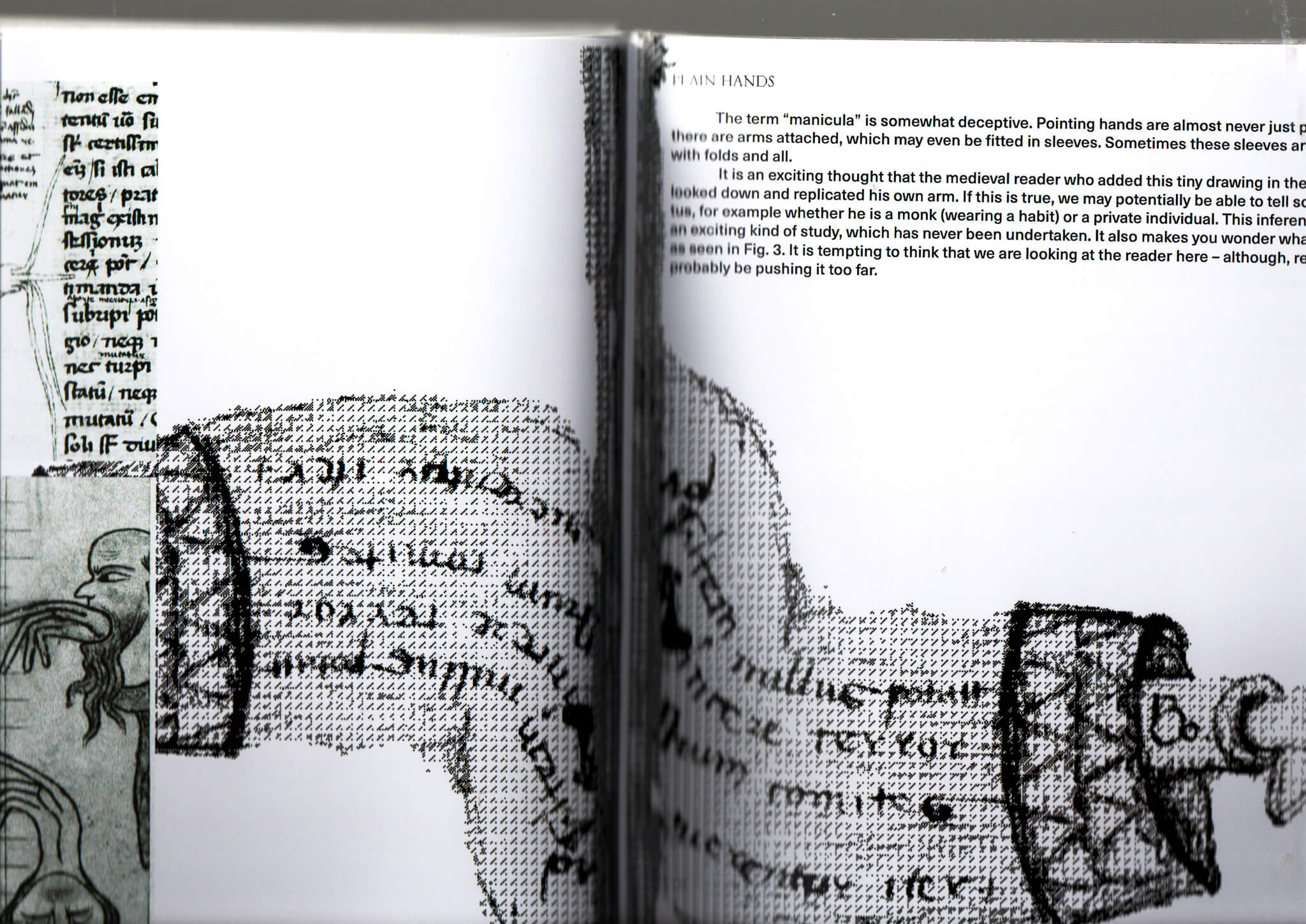
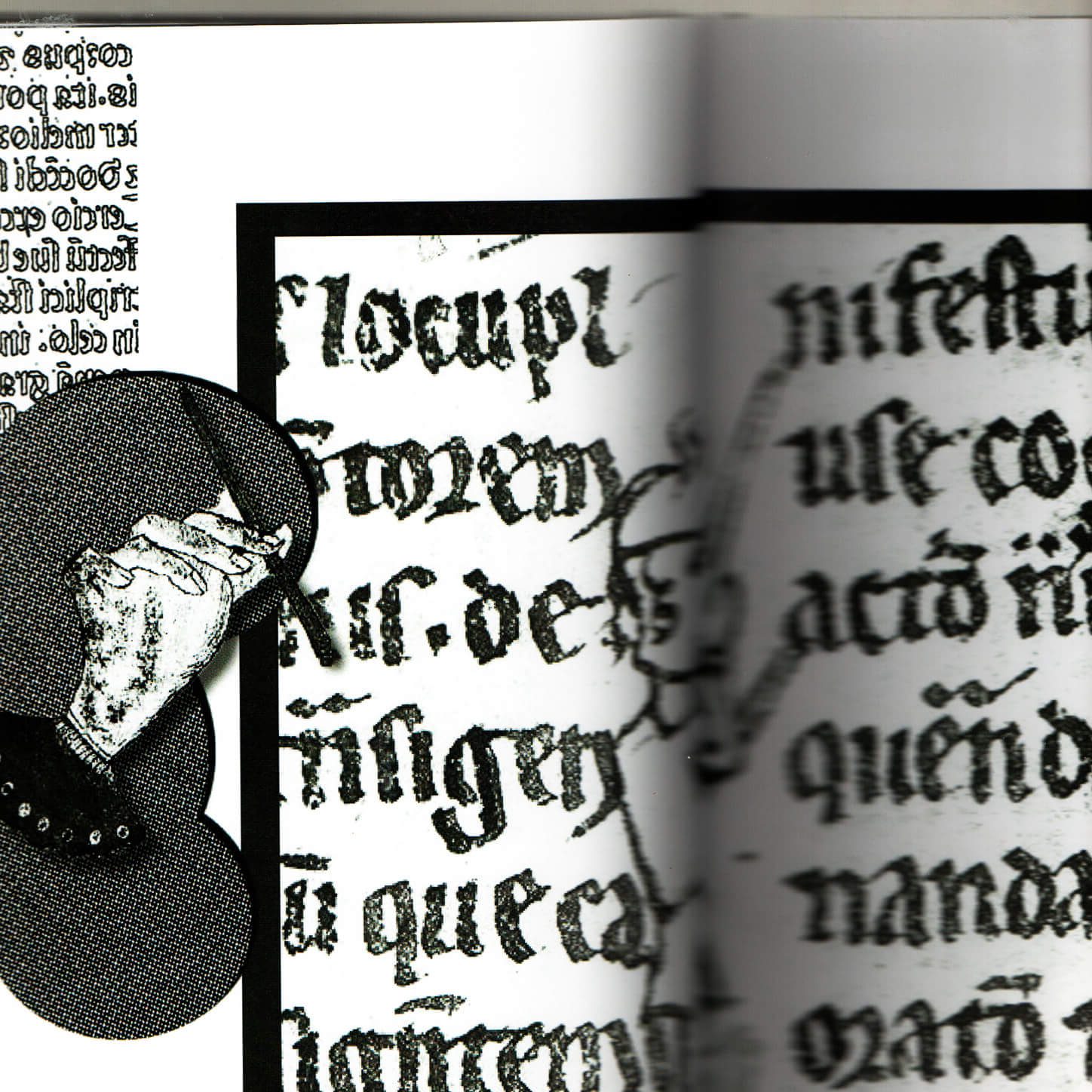
This is a bachelor project research-book that explores the historical significance of the recto page. In it, I delve deeper into how the recto, traditionally the right-hand page in an open book, has played a pivotal role in shaping the way we engage with printed material. The research traces this evolution, highlighting how the recto has influenced reading practices, visual hierarchy, and the overall structure of books throughout history.

 Doina Mindrean